← Back to Home Resume
albo

Turning Lending Into Our Main Revenue, Part 2. Expanding Access

Made lending access visible with targeted product cards and banners, guiding users based on their profile status to unlock loans faster and with less friction.

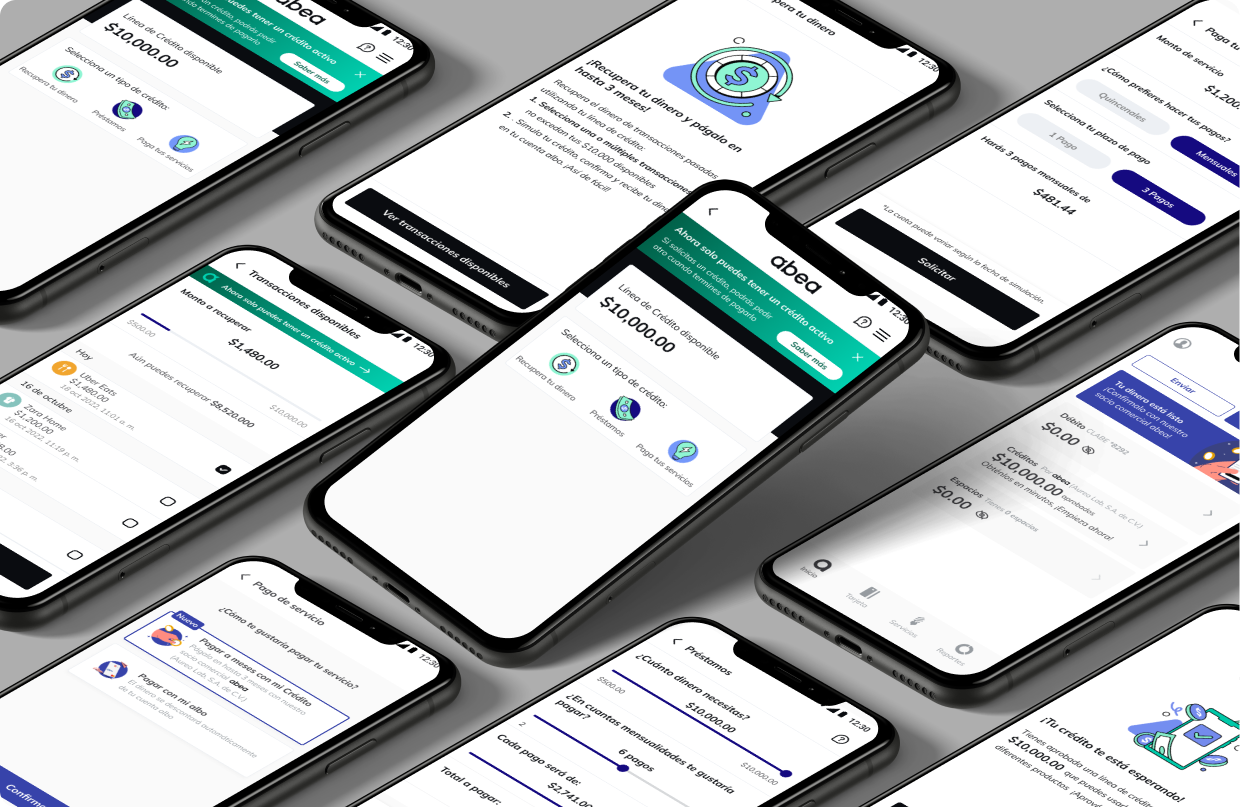
Abea lending access screens isometric overview

Role

Sr. Product Designer, UX Strategy, Product Flows, End-to-End Lending Experience

Team

Product Manager, Legal, Software Engineers

Deliverables

UX Strategy, Product Flows, End-to-End Lending Experience

Timeline

1 Month (2023), Mar 2022 to Mar 2025 tenure at albo

01. Overview

Opening Up Lending to More Users

At albo, a digital banking platform serving 3M+ users that drove $267M+ in loan originations, most users couldn't access lending simply because they hadn't reached N3, our fully verified profile level. That meant abea, our lending product, was invisible to the majority of users.

The goal: make lending feel accessible and achievable regardless of starting point.
02. The Challenge

Turning More Users Into Full Profiles

We uncovered a visibility gap, and it wasn't just confusing. It felt unfair.

Only N3 users could see loans. Everyone else hit a dead end, with no explanation or way forward.

Make lending visible without creating false expectations

Guide N1/N2 users toward profile completion with clarity

Ensure everything stayed compliant, transparent, and trustworthy

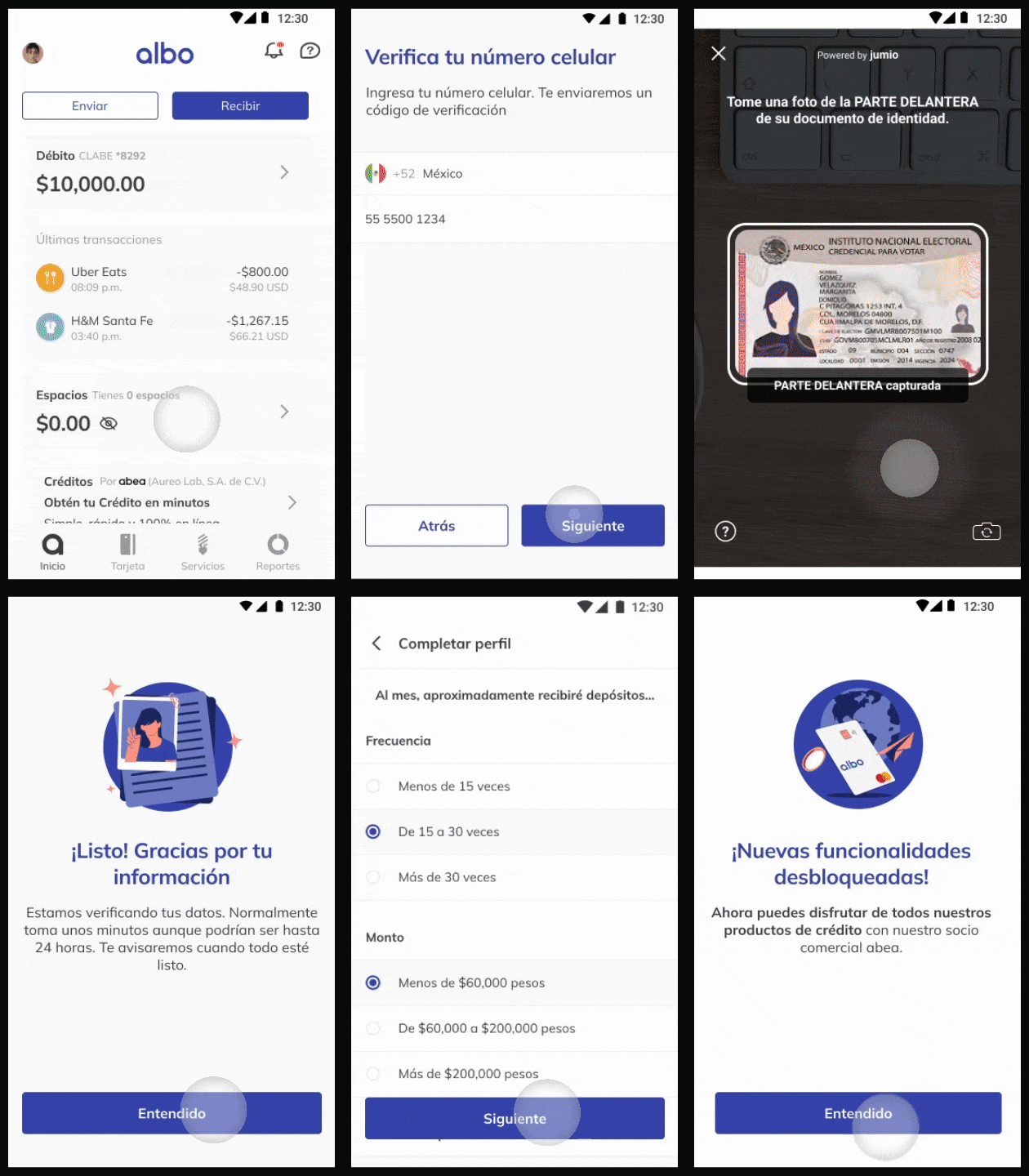
Previously, the only way to upgrade was a single banner reading "Complete your profile" with no context or motivation.

03. Understanding

Users Weren't Just Stuck, They Were Searching for Help

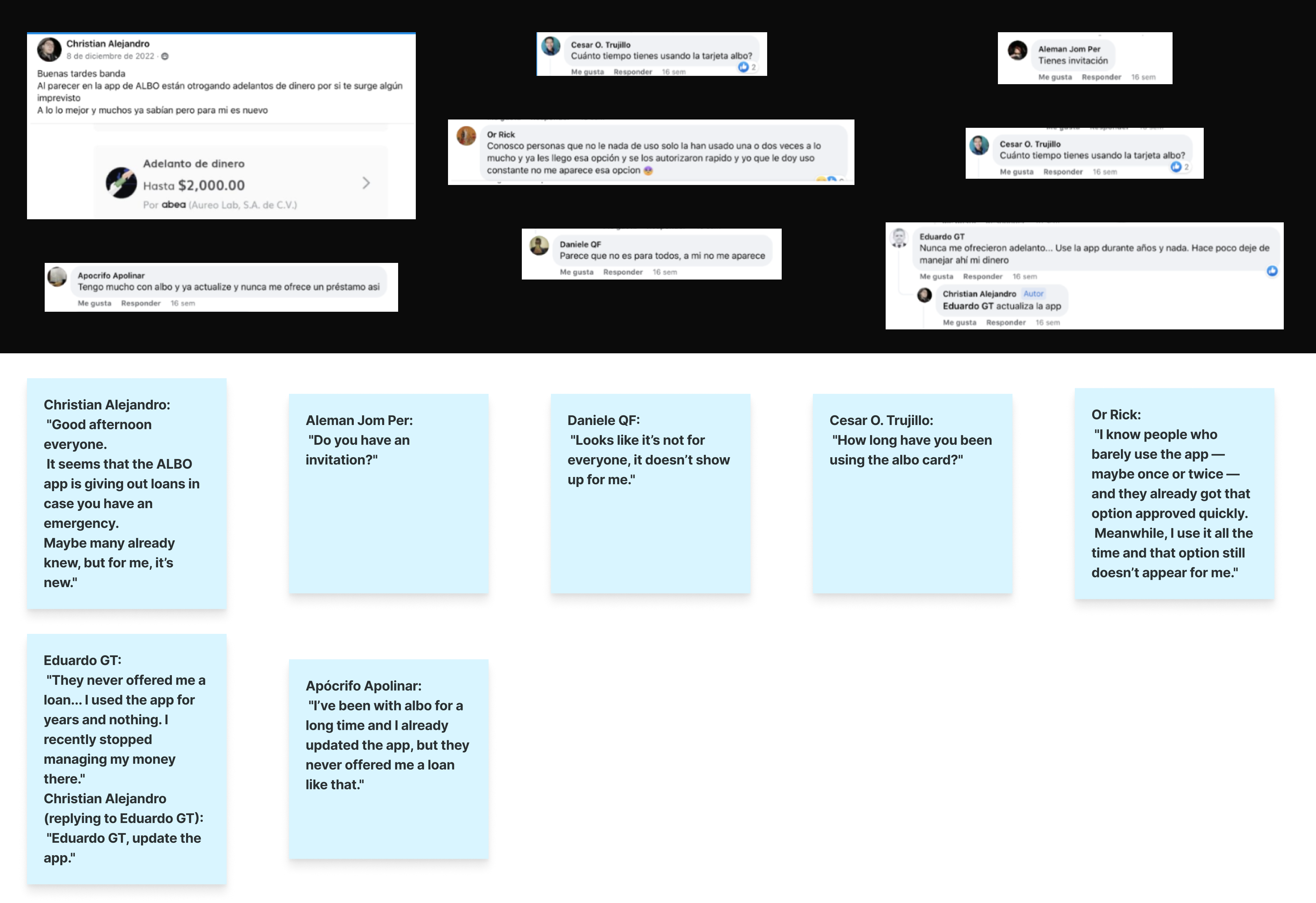
I joined a Facebook group where albo users were sharing frustrations about lending access.

Real user comments showing frustration about not receiving loan offers

This was more than a UX problem. It was a trust problem. Users didn't understand why some people got loan offers and others didn't.

How We Classified User Profiles

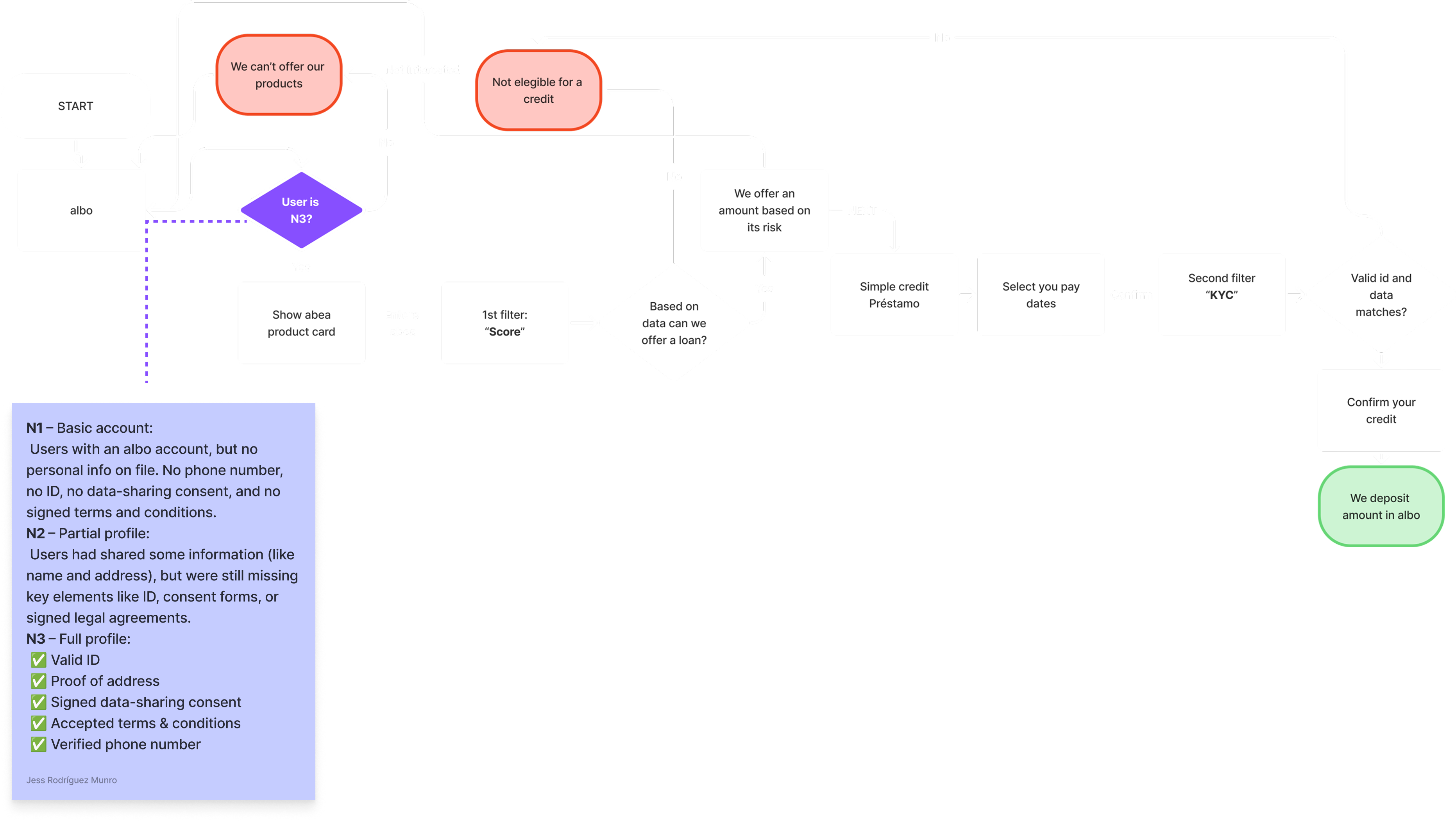
Users progressed through three verification levels: N1 (basic identity), N2 (financial history), and N3 (fully verified). Only N3 users could access loans, but the app gave no indication of which level each user was at or how to advance.

Where Users Were Getting Stuck

Mapping the lending flow revealed exactly where each profile level hit a wall and why most users never made it to a loan offer.

Flow diagram showing N1, N2, N3 user levels and where they get blocked
04. Framing the Solution

Our Strategy to Unlock Access

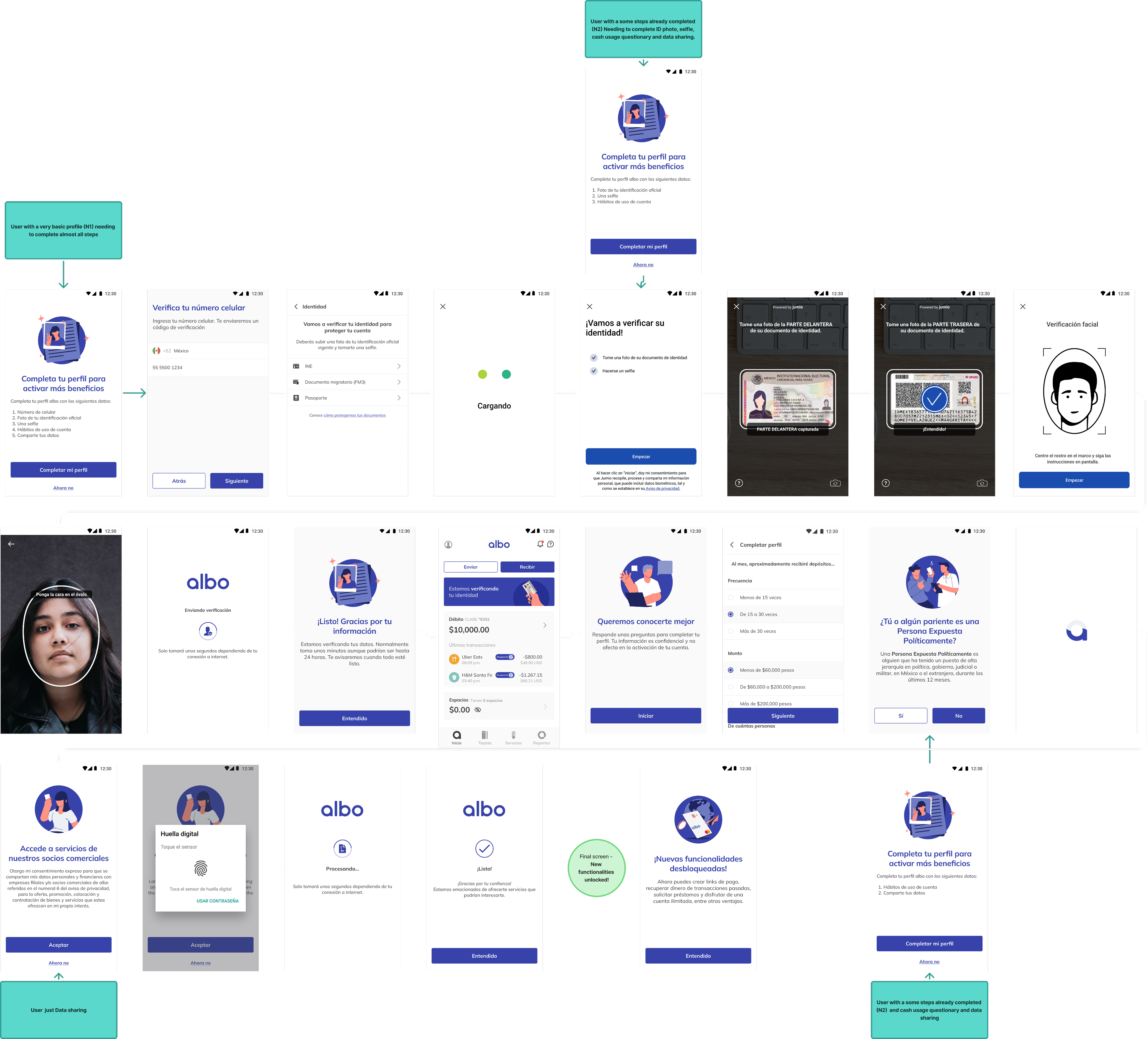
We surfaced loan offers to all users, even those who weren't fully verified. Instead of hiding lending behind a wall, we flipped the model: show users what they could get, then guide them through only what was missing.

Strategy flow showing N1 to N3 upgrade paths with screen designs
Profile scanned in real time after clicking loan card, with no lengthy waits or confusion about eligibility
Only missing steps shown, no repeated onboarding
Entry points placed across the entire app, not just home screen
05. Design Execution

Strategic Banners, Product Cards, and Push Notifications

We placed banners and cards across the app to proactively guide users toward abea.

Touchpoint Examples

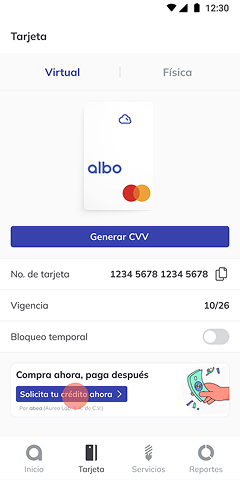
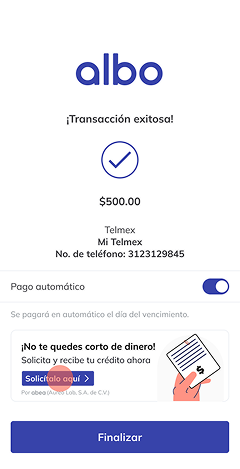
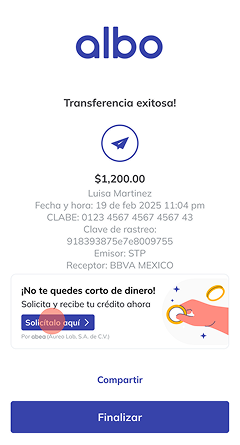
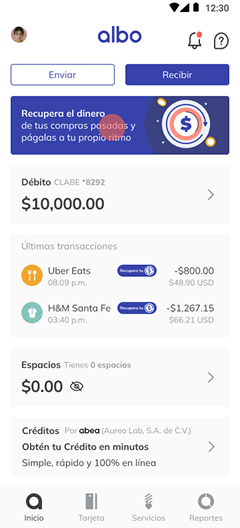
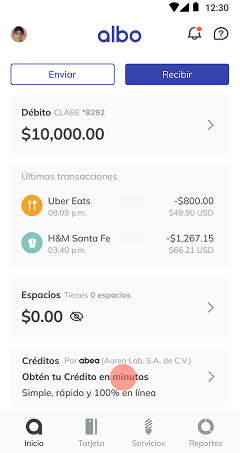
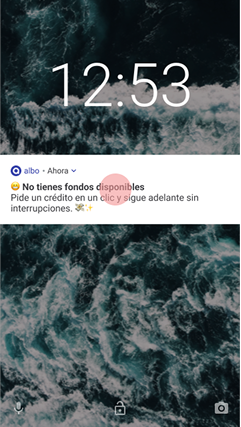
We placed banners and cards in the moments users were most likely to need money, creating natural entry points to lending across the entire app.

Card tab with buy now pay later banner

Card tab

Bill payment success with credit banner

Service payments

Transfer success with credit banner

Money transfers

Home screen with cashback banner and credit section

Home banner

Home screen with credit product card

Product card

Push notification on lock screen

Push notification

Smarter Flows, Tailored to Each User

Personalized upgrade screen built in real time based on backend data
No full onboarding repeats, just the steps they actually needed
Flow adapted automatically per user level
06. Final Design

The Path to Unlock Your Loan

A dynamic experience that guided users from discovery to loan approval.

Final lending access design animation
07. Reflection

Give Users Their Own Key

This project reinforced a simple but powerful truth: you can't help users if they don't know what's available to them.

Key Learnings

By adapting the flow to each user's real status, we removed friction and made the upgrade journey feel personal
Even the best product won't move users forward if they can't see what to do next

Next Steps

Clearer visibility into progress with progress indicators
Smoother flow with fewer breaks between steps
Stronger reinforcement through celebratory messaging
Note: Some flows were owned by albo's team, and I worked cross-functionally within those constraints.
← Back to all projects

Up next

Case Study

Pondo

Built a 0-to-1 health-tech product from concept to Kickstarter funding in 4 months

Case Study

Abea Part 1: Onboarding

Cut a 46-click onboarding flow down to 18, eliminating a 70% drop-off rate